Thursday evenings
6.30pm-8.30pm
June 25th, July 2nd, 9th, 16th, 23rd 2026
Kentish Town City Farm, NW5 4BB
(closest transport: Gospel Oak (overground), Kentish Town (Northern line and Thameslink)
There is a mystery around producing a blue from plants and this course delves into that mystery teaching different methods of producing dye baths. You’ll learn about plants that contain the indigotin molecule, which of those we can grow in Britain and how to grow them.
You’ll have the chance to make up dye vats using fructose, henna and iron, each week dyeing a piece of cotton and a hydrosulphite vat to dye a piece of silk.
Session 1: an introduction to blue dye plants – those that contain the indigotin dye molecule. Learning which of those we can grow in Britain and how to grow them. Learn about the chemistry of the dye and how to release the blue dye so it will attach to fibre.
Session 2: you’ll learn all about how to make a fructose fermented dye bath, preparing the bath and then using it to dye a piece of cotton with indigo.
Session 3: you’ll learn how to make a henna fermented dye bath, preparing the bath and then using it to dye a piece of cotton with woad.
Session 4: you’ll learn how to prepare a hydrosulphite bath. You’ll use it to dye a piece of silk with indigo.
Session 5: in the final week you’ll learn how to create an iron dye bath, preparing the bath and then using it to dye a piece of cotton with woad.This is a participatory, hands-on course where you’ll have a chance to learn by doing in a collaborative, fun atmosphere.
What you will need:rubber gloves and an apron
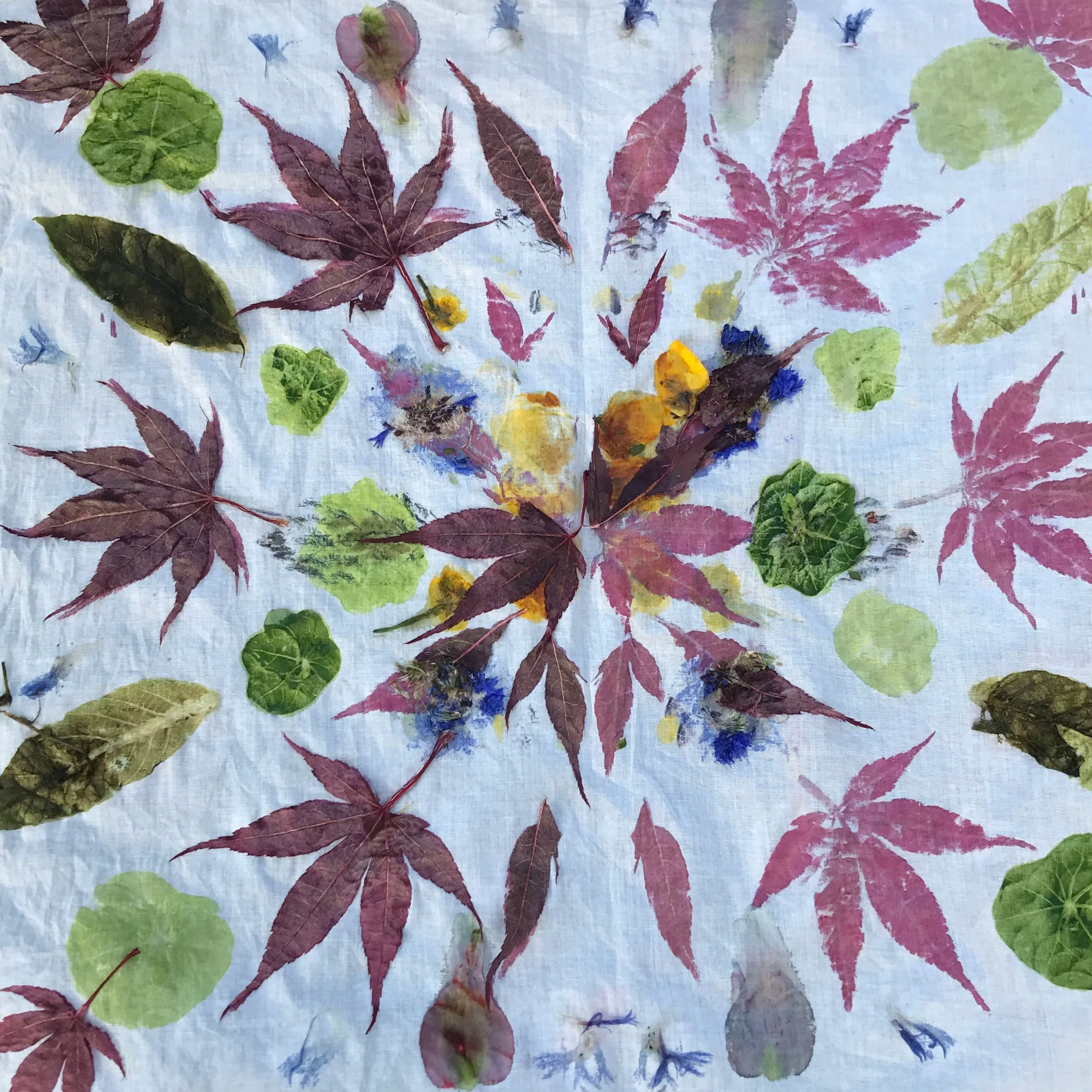
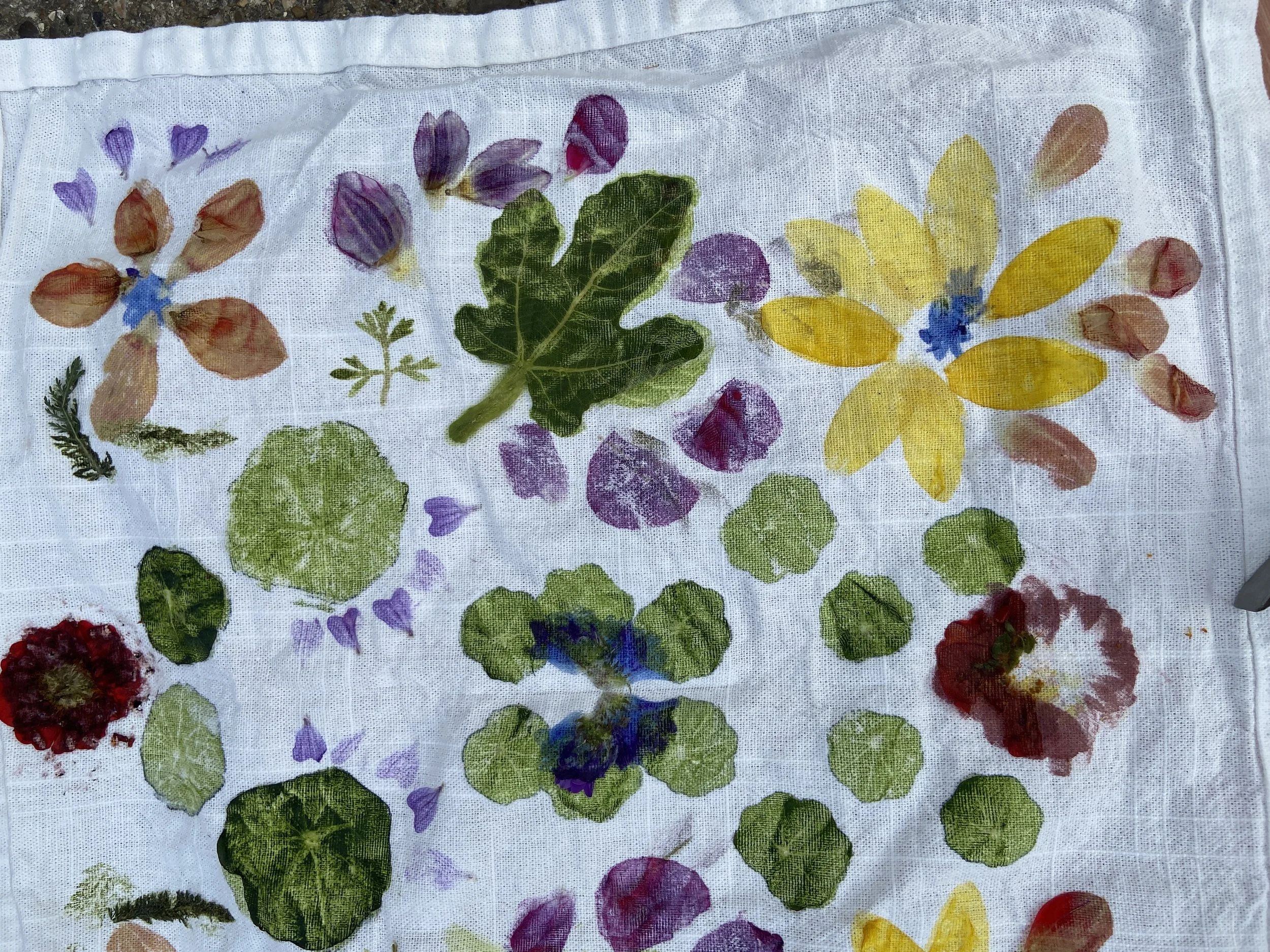
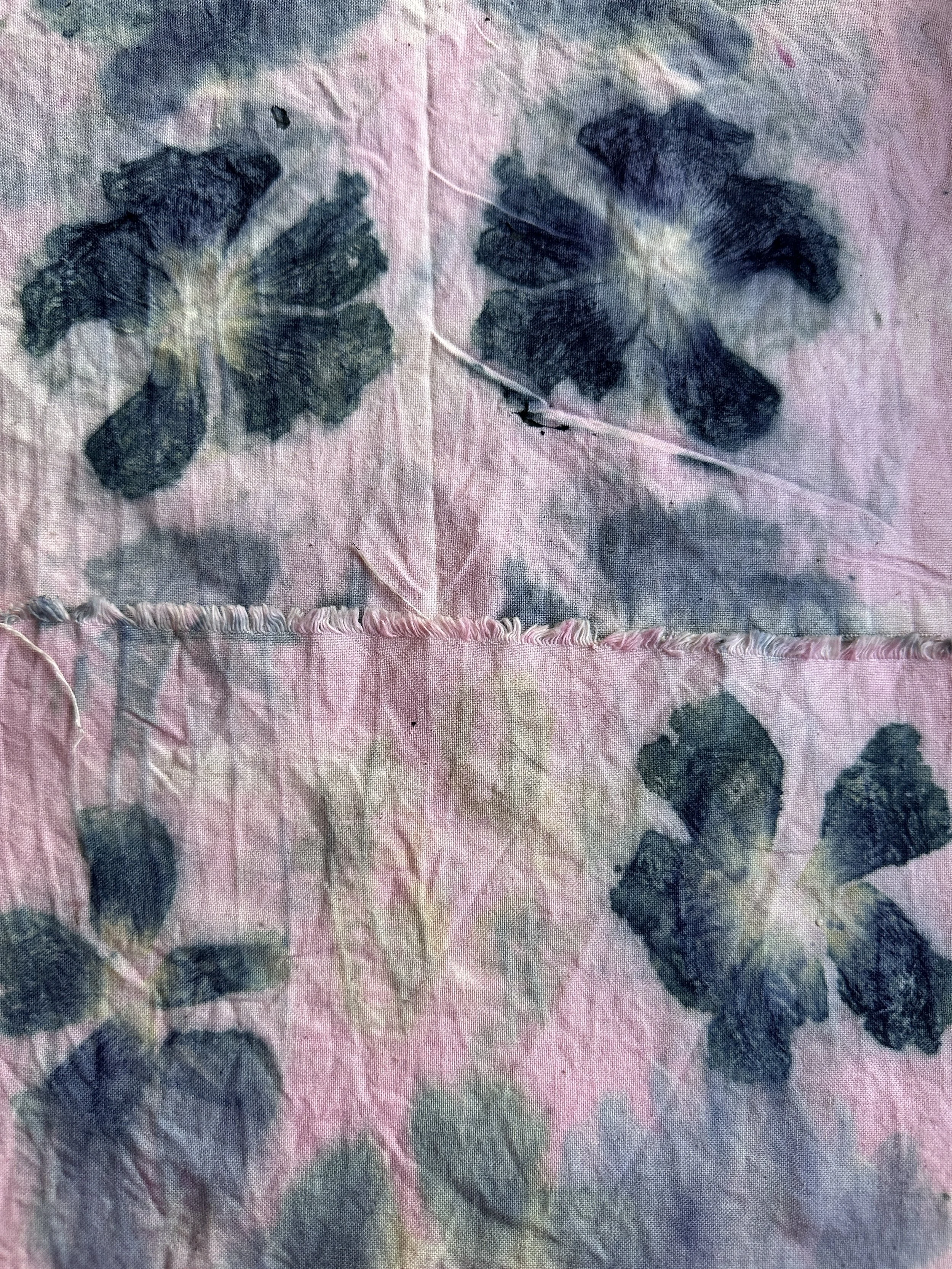
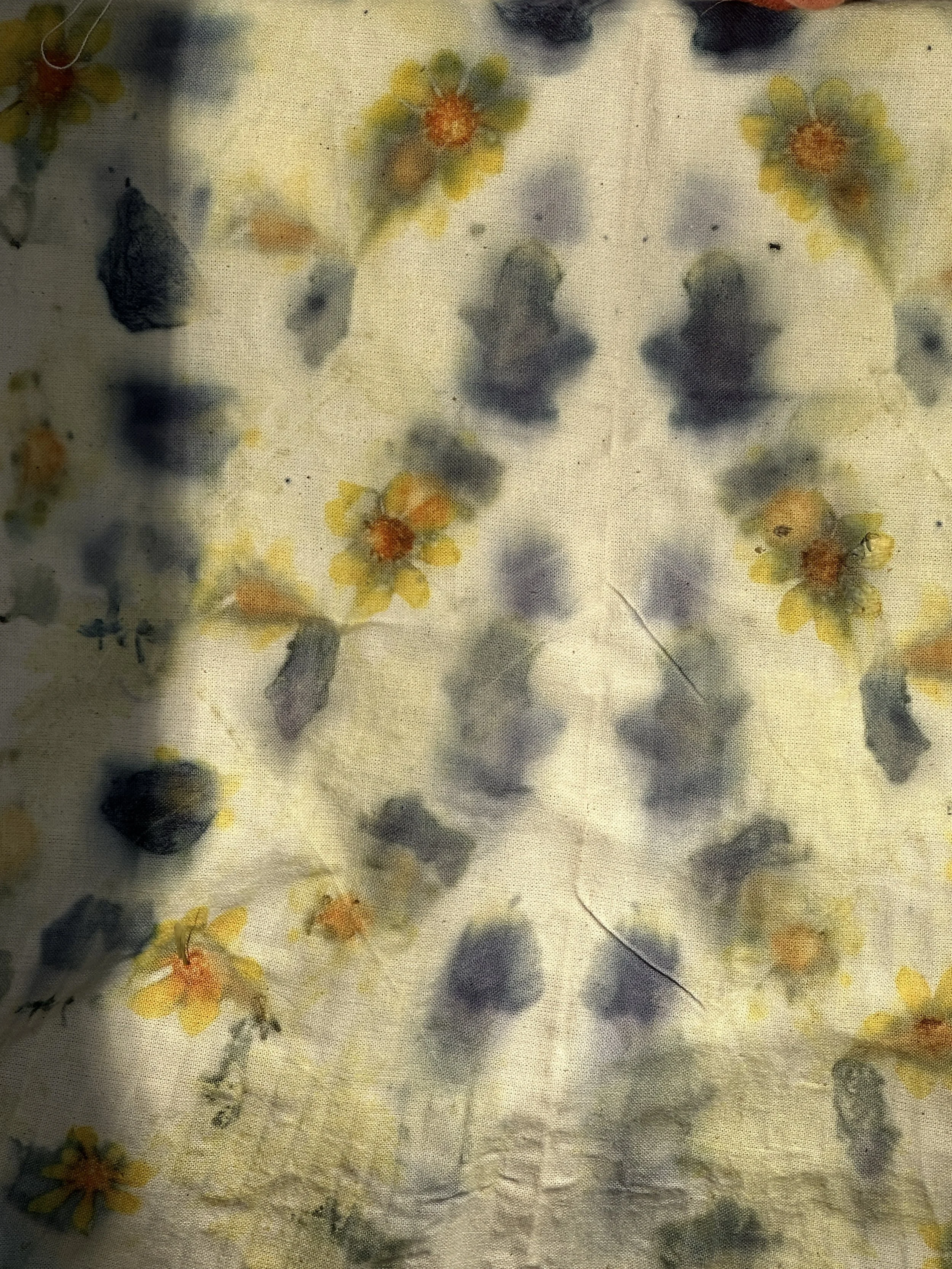
What you will take away: tie-dyed pieces of cotton and silk along with handouts
No experience necessary
Thursday evenings
6.30pm-8.30pm
June 25th, July 2nd, 9th, 16th, 23rd 2026
Kentish Town City Farm, NW5 4BB
(closest transport: Gospel Oak (overground), Kentish Town (Northern line and Thameslink)
There is a mystery around producing a blue from plants and this course delves into that mystery teaching different methods of producing dye baths. You’ll learn about plants that contain the indigotin molecule, which of those we can grow in Britain and how to grow them.
You’ll have the chance to make up dye vats using fructose, henna and iron, each week dyeing a piece of cotton and a hydrosulphite vat to dye a piece of silk.
Session 1: an introduction to blue dye plants – those that contain the indigotin dye molecule. Learning which of those we can grow in Britain and how to grow them. Learn about the chemistry of the dye and how to release the blue dye so it will attach to fibre.
Session 2: you’ll learn all about how to make a fructose fermented dye bath, preparing the bath and then using it to dye a piece of cotton with indigo.
Session 3: you’ll learn how to make a henna fermented dye bath, preparing the bath and then using it to dye a piece of cotton with woad.
Session 4: you’ll learn how to prepare a hydrosulphite bath. You’ll use it to dye a piece of silk with indigo.
Session 5: in the final week you’ll learn how to create an iron dye bath, preparing the bath and then using it to dye a piece of cotton with woad.This is a participatory, hands-on course where you’ll have a chance to learn by doing in a collaborative, fun atmosphere.
What you will need:rubber gloves and an apron
What you will take away: tie-dyed pieces of cotton and silk along with handouts
No experience necessary
 Image 1 of 8
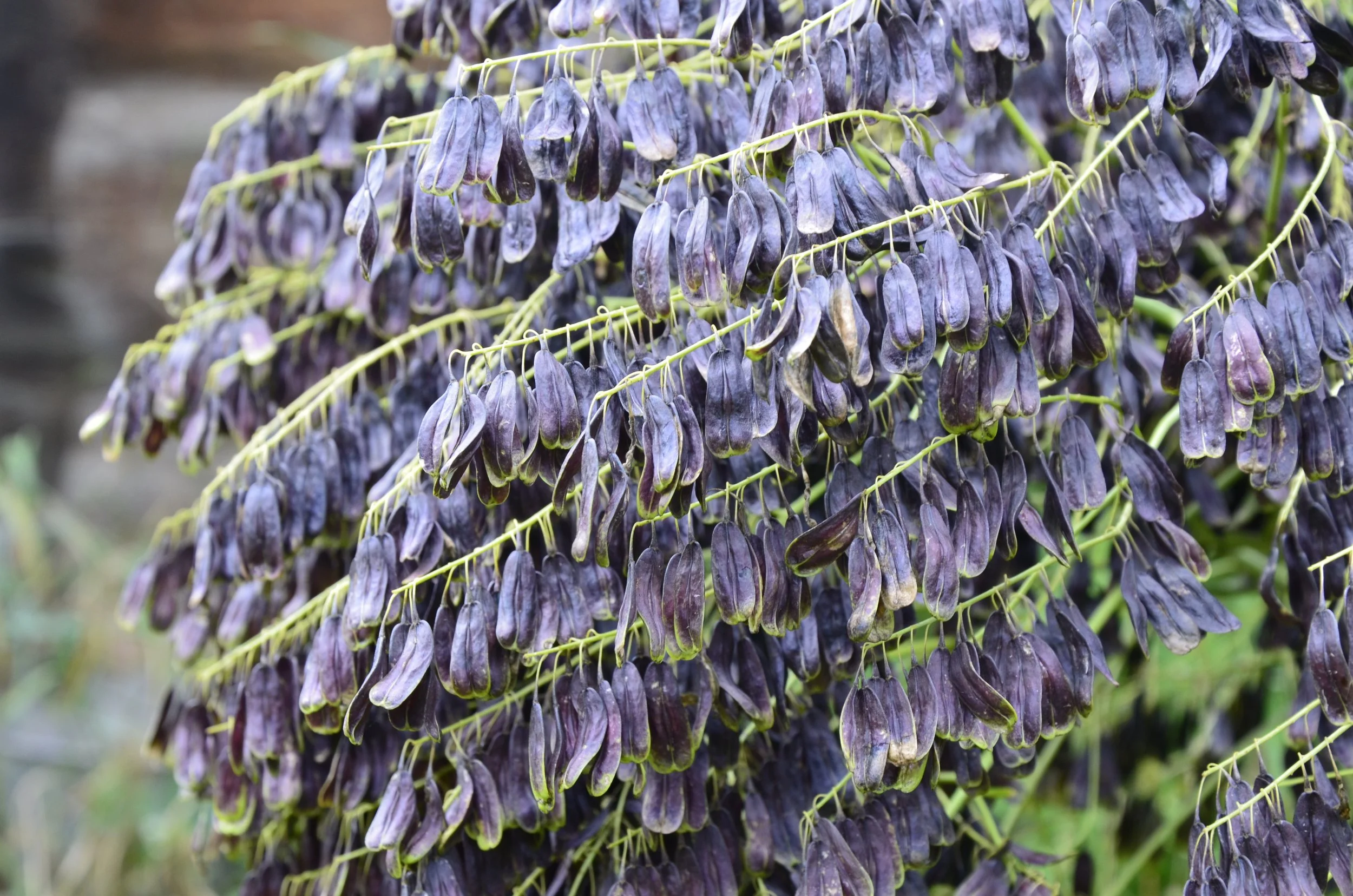 Image 2 of 8
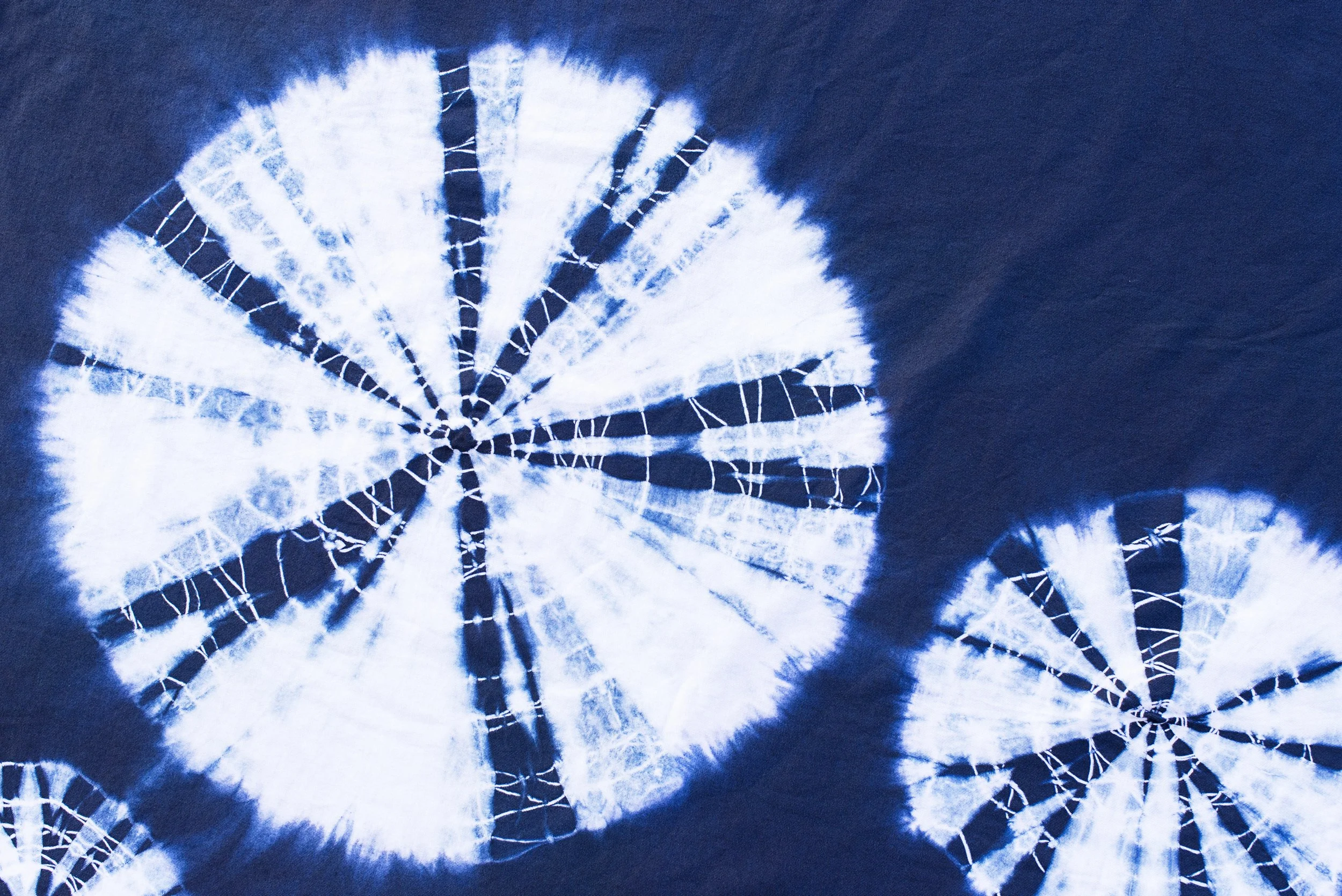 Image 3 of 8
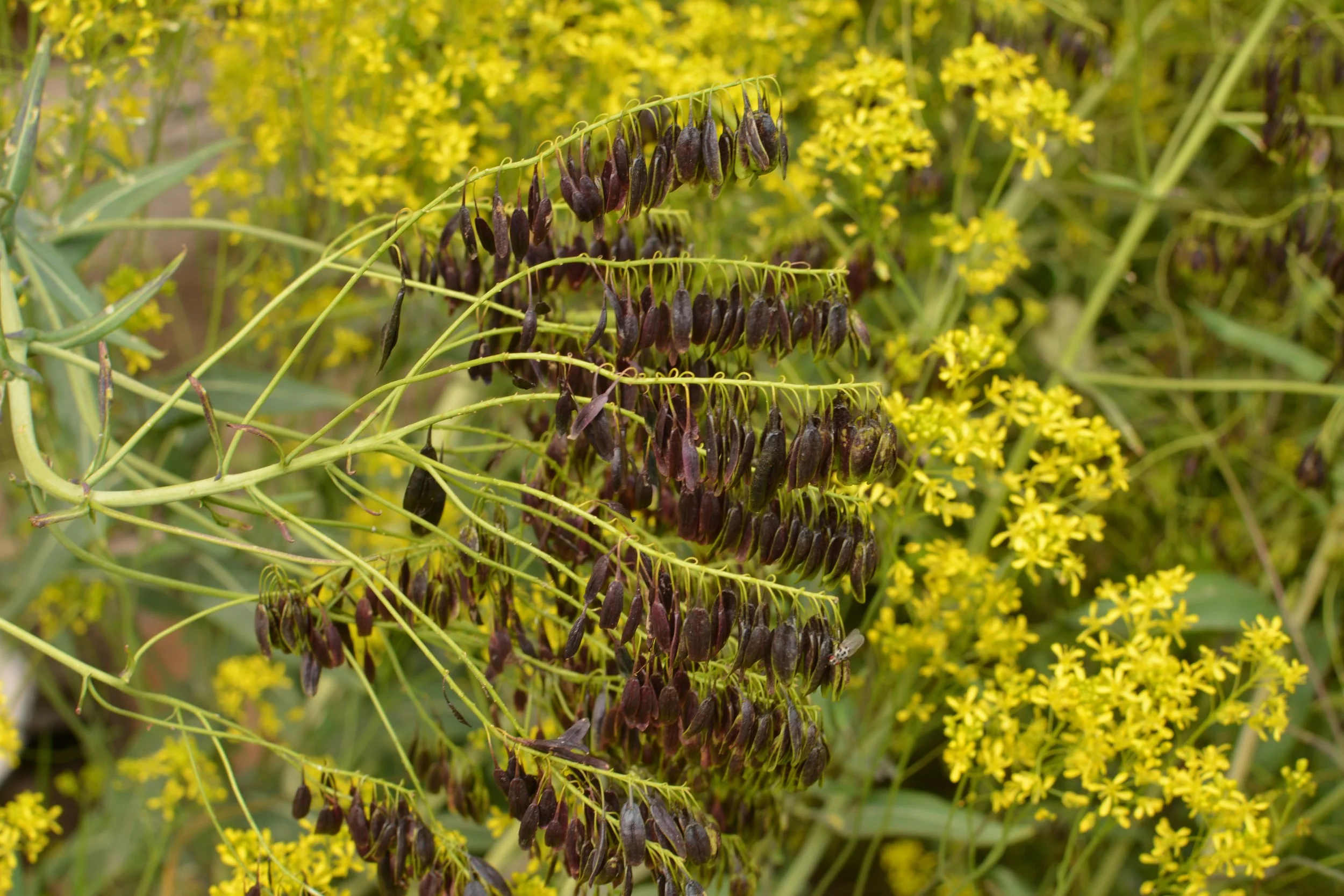 Image 4 of 8
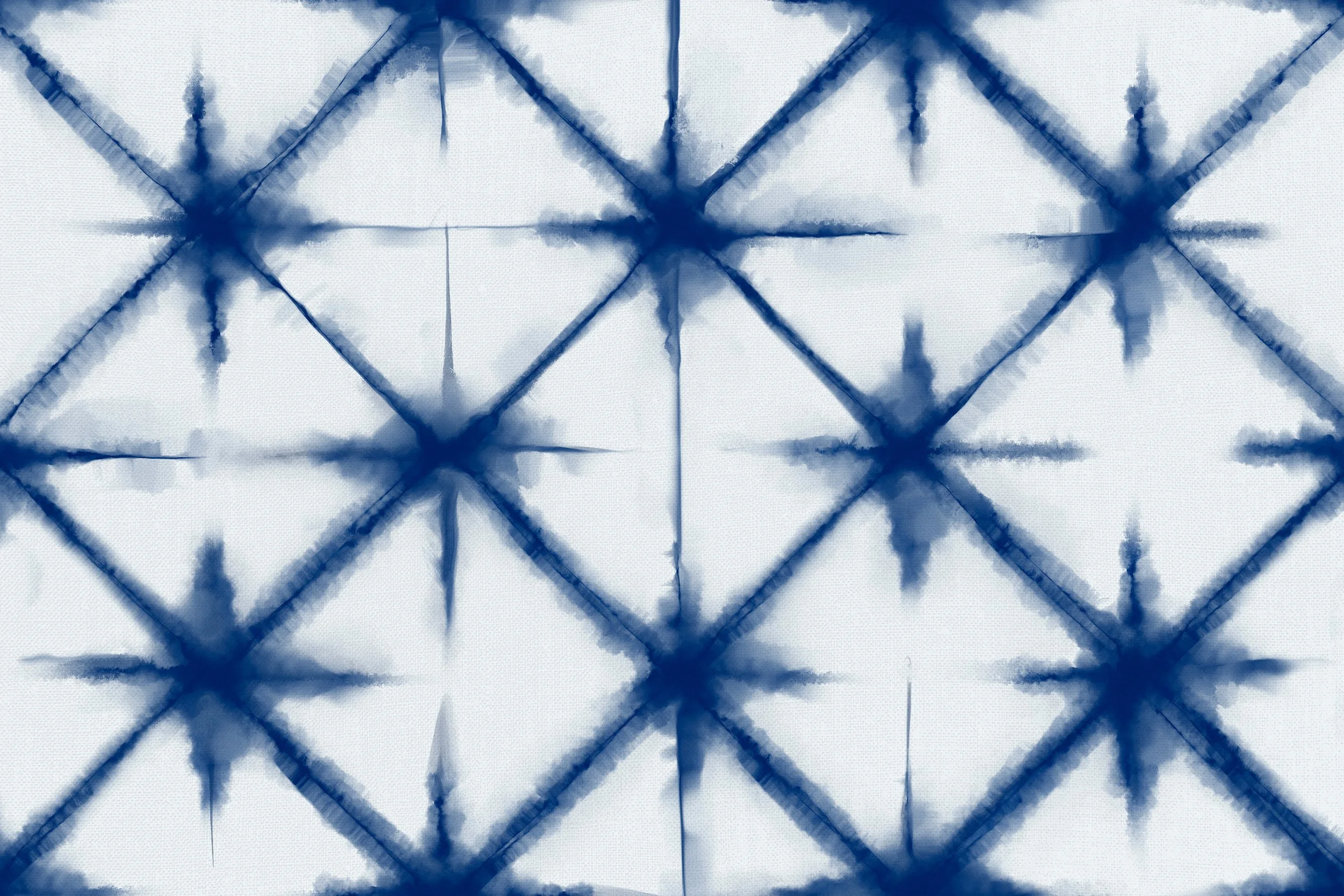 Image 5 of 8
 Image 6 of 8
 Image 7 of 8
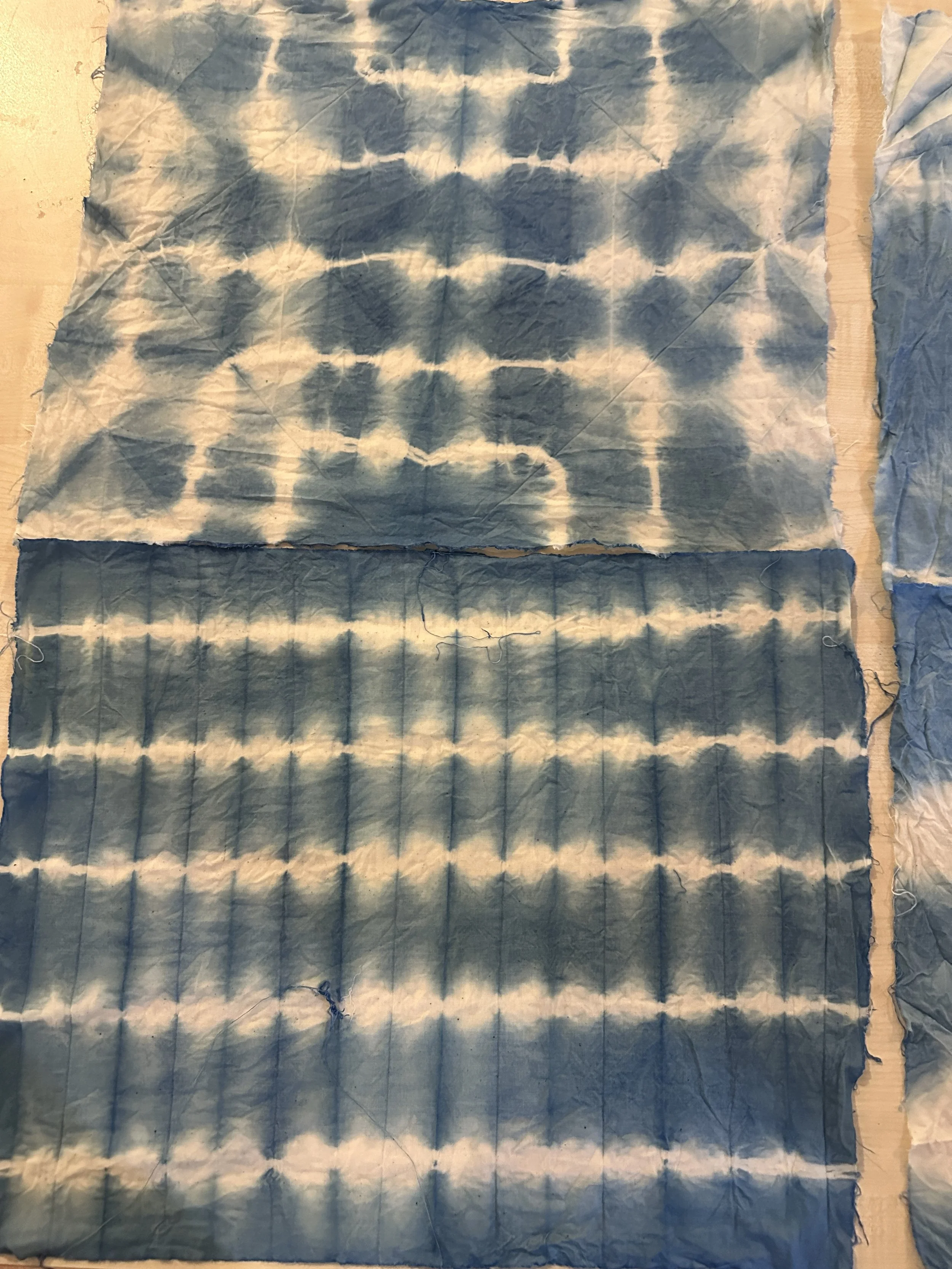 Image 8 of 8