Tuesday evenings
6.30pm-8.30pm
2nd, 9th, 16th, 23rd, 30th June 2026
The Court House, Church Ln, Berkhamsted HP4 2AX
(Closest transport: Berkhamsted train station. Free parking available on site)
The colours for our fabrics came mainly from plants until synthetic dyes were developed in the late 19th century. This introductory course offers the chance to learn how to use plants to create colours to dye cotton, silk and wool. Through the five sessions you’ll learn about the history of dyes, techniques for dyeing, plants to use, how to combine colours and using flowers and leaves for ecoprinting.
Session 1: an introduction to the history of dyeing fibre, preparing your fibres and mordanting
Session 2: dyeing with traditional plant materials to create a range of different colours: red from madder, yellow from weld and deep blue/purple from logwood
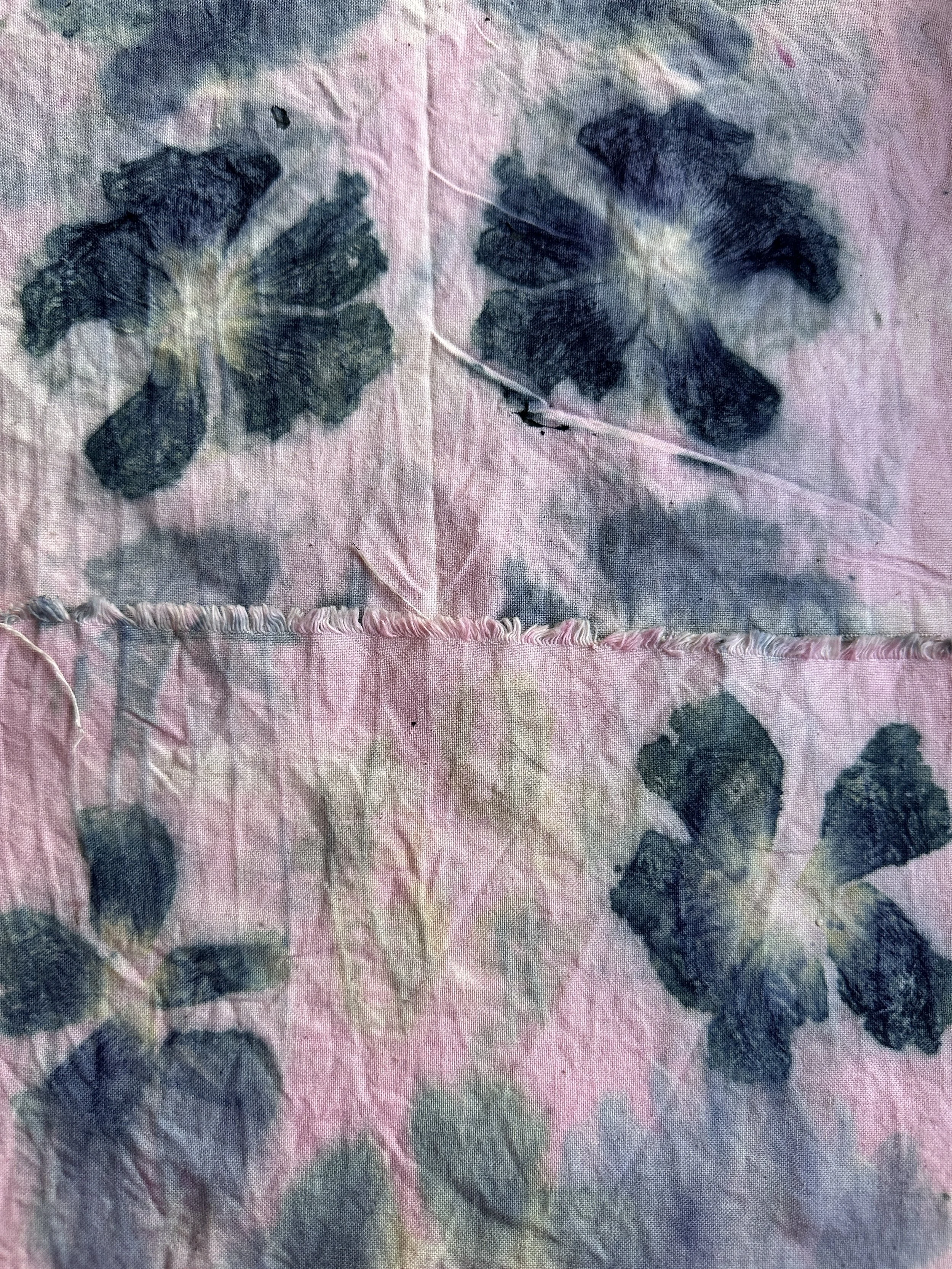
Session 3: dyes you can forage for – an evening of experimentation with different plants you have foraged
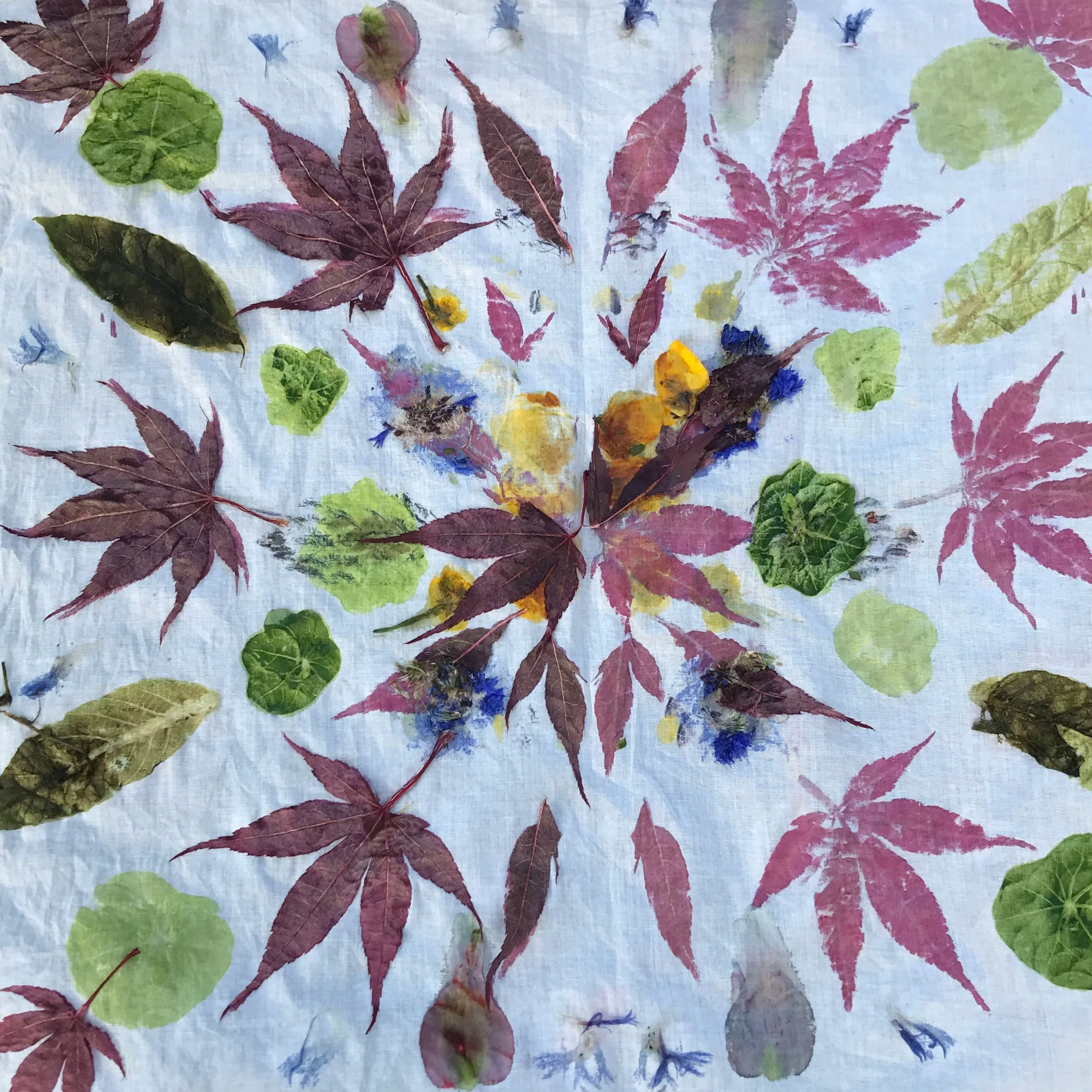
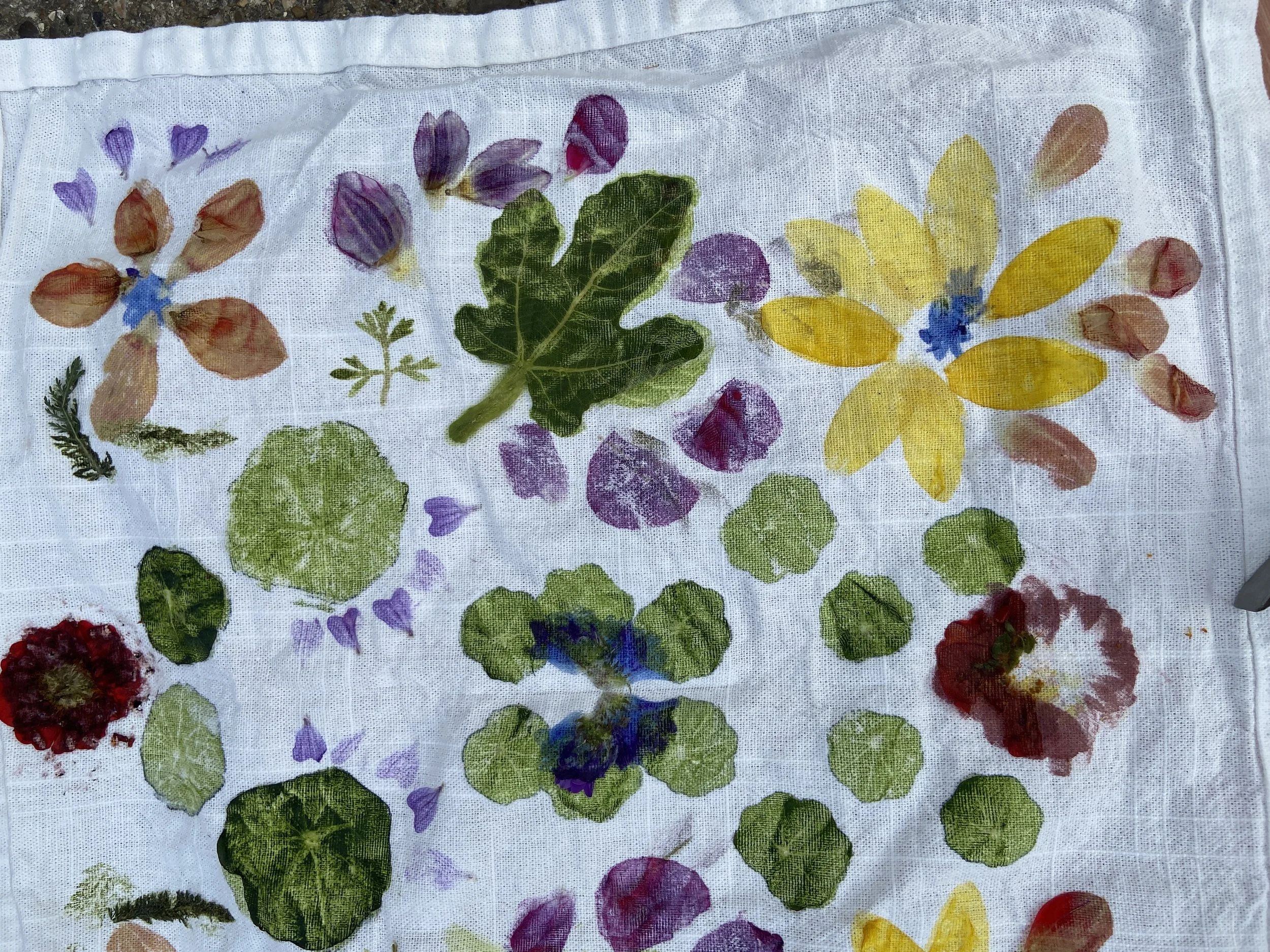
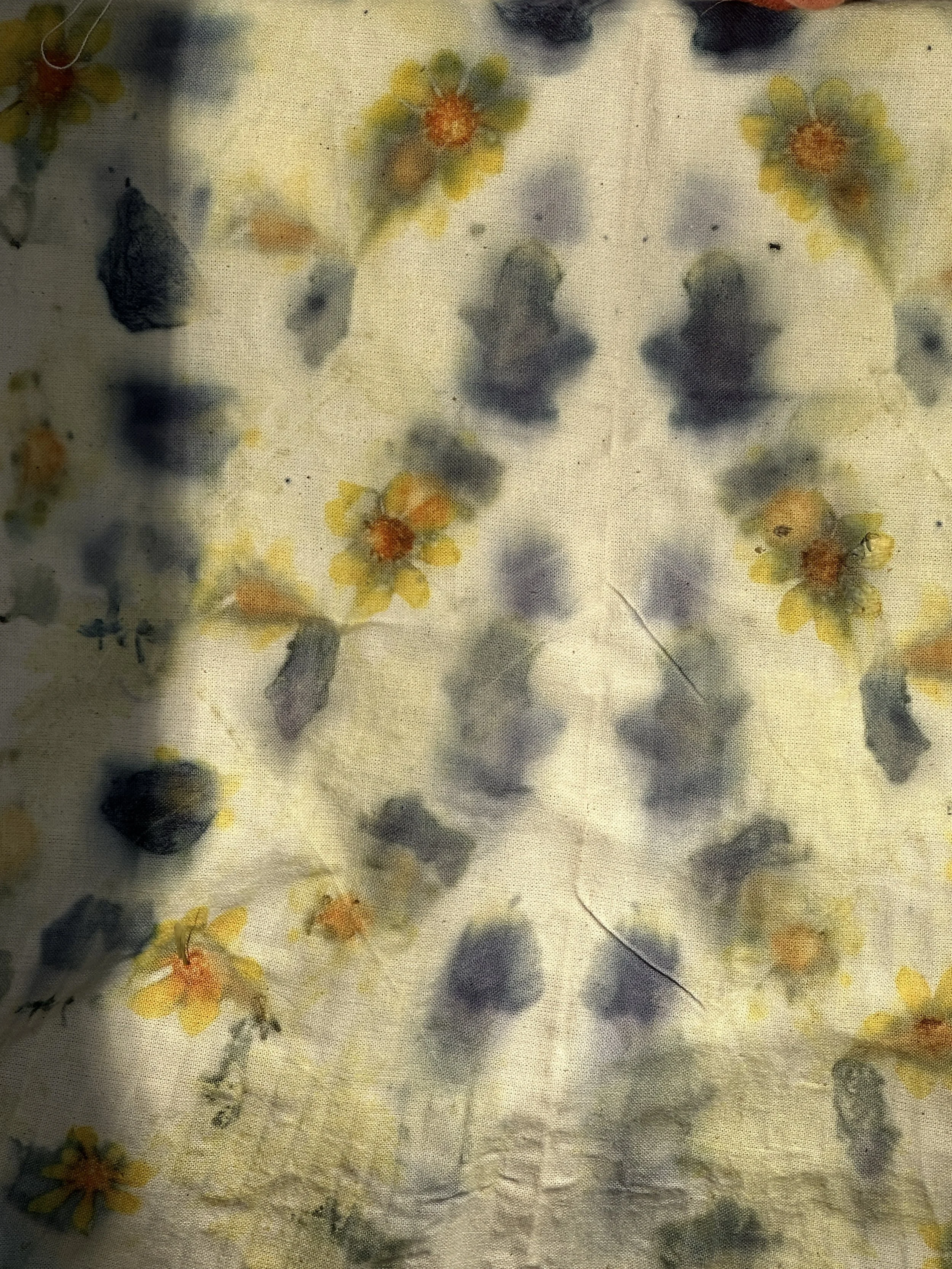
Session 4: using flowers and leaves for ecoprinting
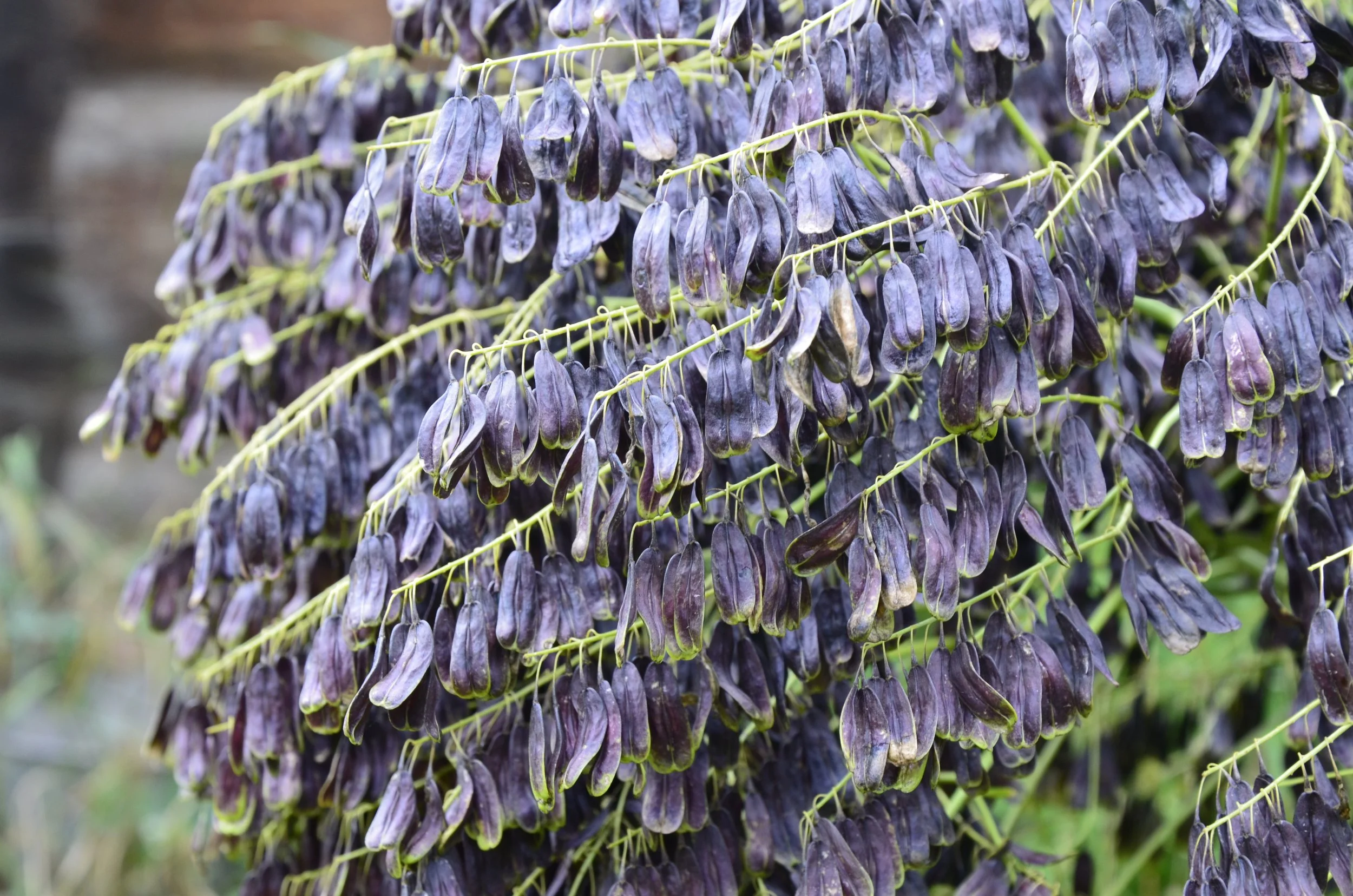
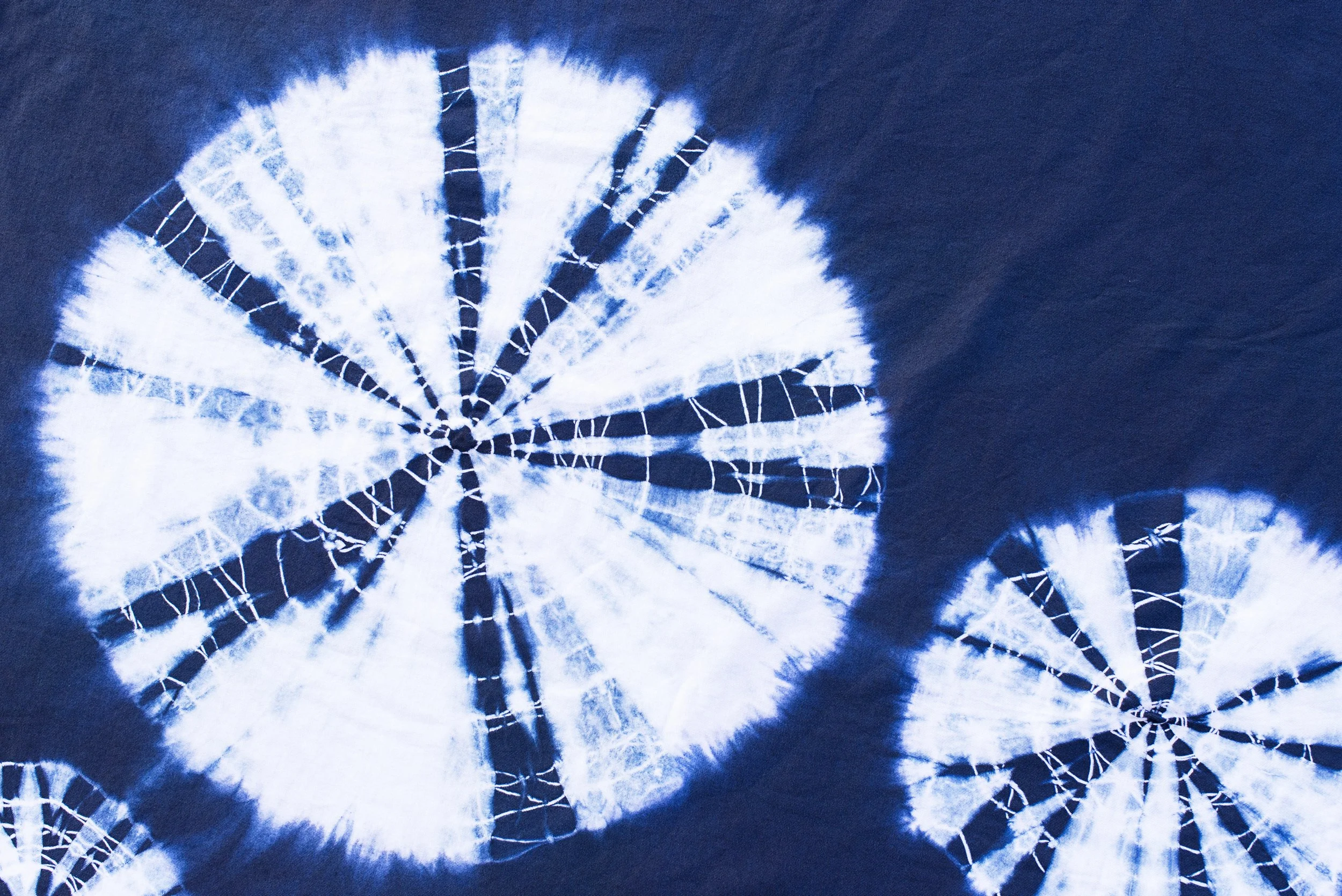
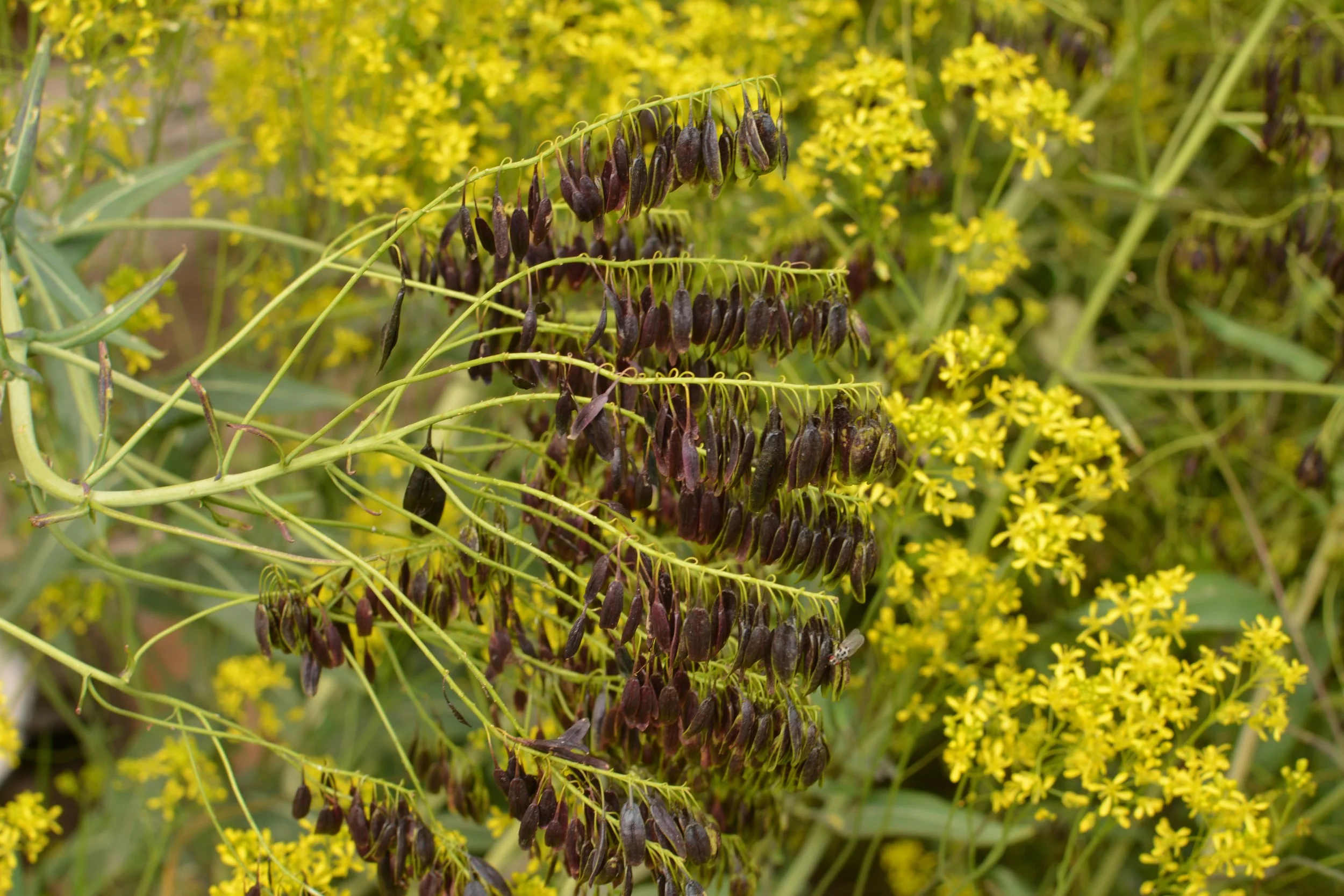
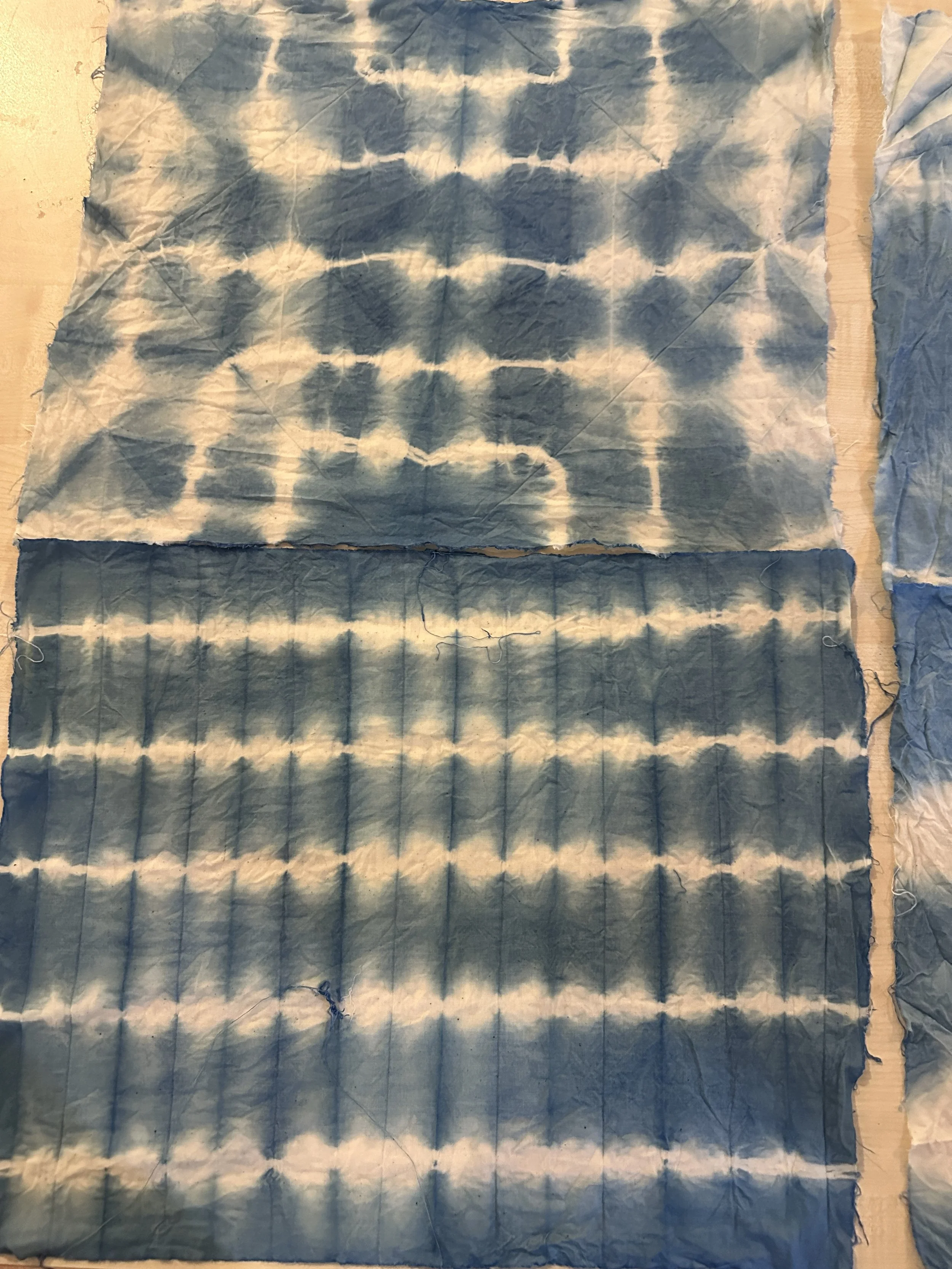
Session 5: dyeing with woad to produce blues
This is a participatory, hands-on course where you’ll have a chance to learn by doing in a collaborative, fun atmosphere.
What you will need: rubber gloves and an apron
What you will take away: skein of dyed wool, squares of dyed cotton and silk, handouts
No experience necessary
Tuesday evenings
6.30pm-8.30pm
2nd, 9th, 16th, 23rd, 30th June 2026
The Court House, Church Ln, Berkhamsted HP4 2AX
(Closest transport: Berkhamsted train station. Free parking available on site)
The colours for our fabrics came mainly from plants until synthetic dyes were developed in the late 19th century. This introductory course offers the chance to learn how to use plants to create colours to dye cotton, silk and wool. Through the five sessions you’ll learn about the history of dyes, techniques for dyeing, plants to use, how to combine colours and using flowers and leaves for ecoprinting.
Session 1: an introduction to the history of dyeing fibre, preparing your fibres and mordanting
Session 2: dyeing with traditional plant materials to create a range of different colours: red from madder, yellow from weld and deep blue/purple from logwood
Session 3: dyes you can forage for – an evening of experimentation with different plants you have foraged
Session 4: using flowers and leaves for ecoprinting
Session 5: dyeing with woad to produce blues
This is a participatory, hands-on course where you’ll have a chance to learn by doing in a collaborative, fun atmosphere.
What you will need: rubber gloves and an apron
What you will take away: skein of dyed wool, squares of dyed cotton and silk, handouts
No experience necessary
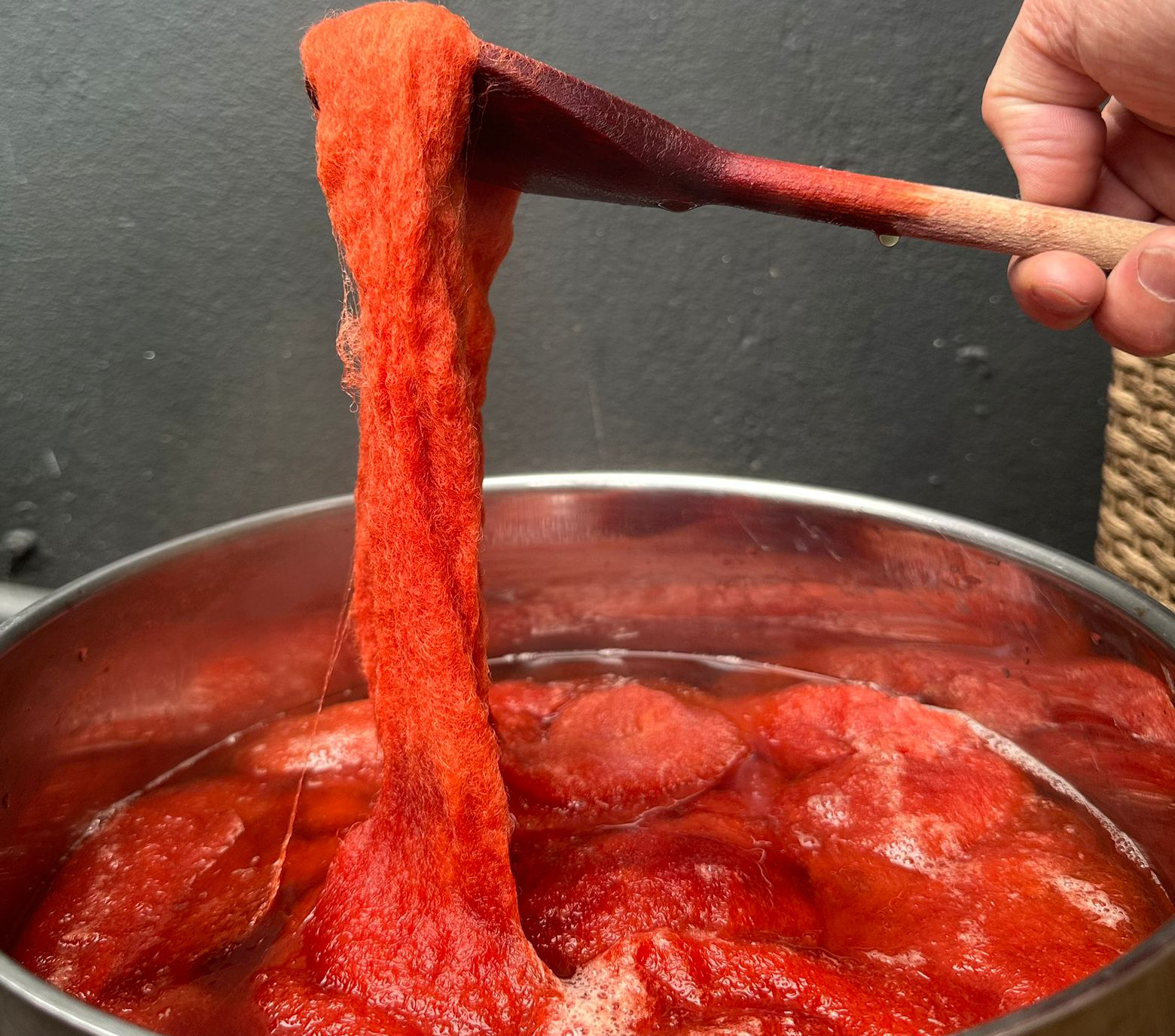 Image 1 of 9
 Image 2 of 9
 Image 3 of 9
 Image 4 of 9
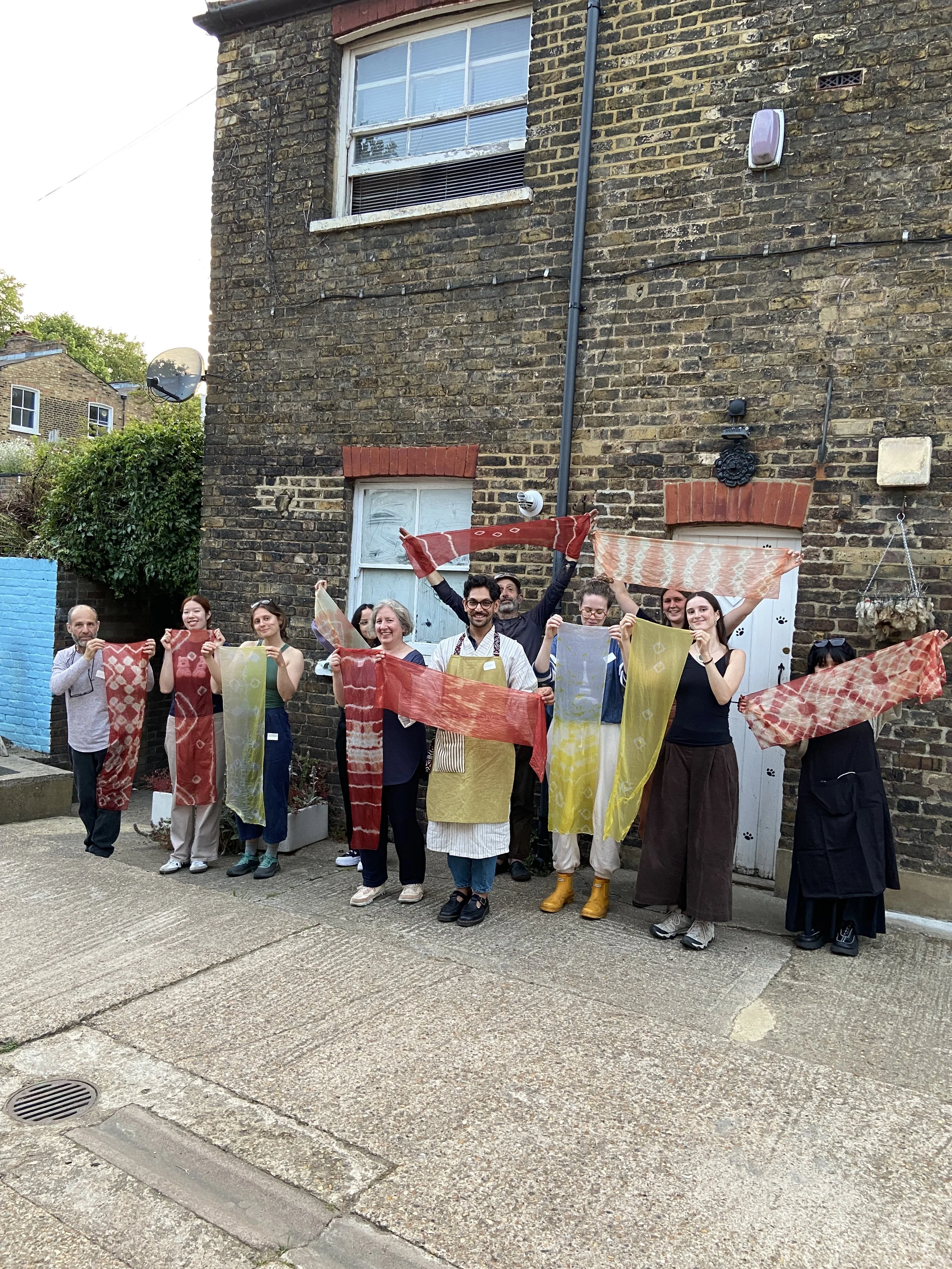 Image 5 of 9
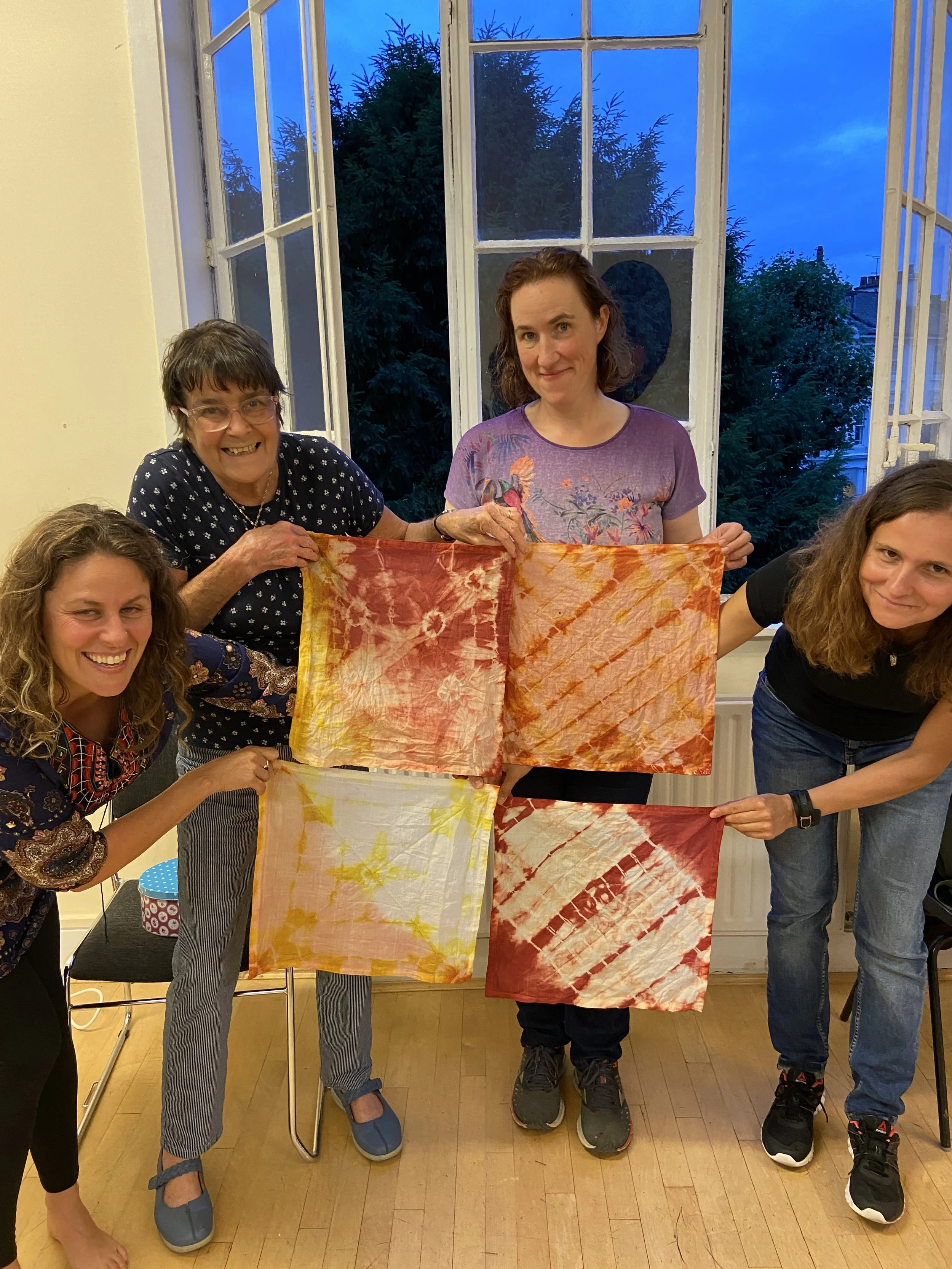 Image 6 of 9
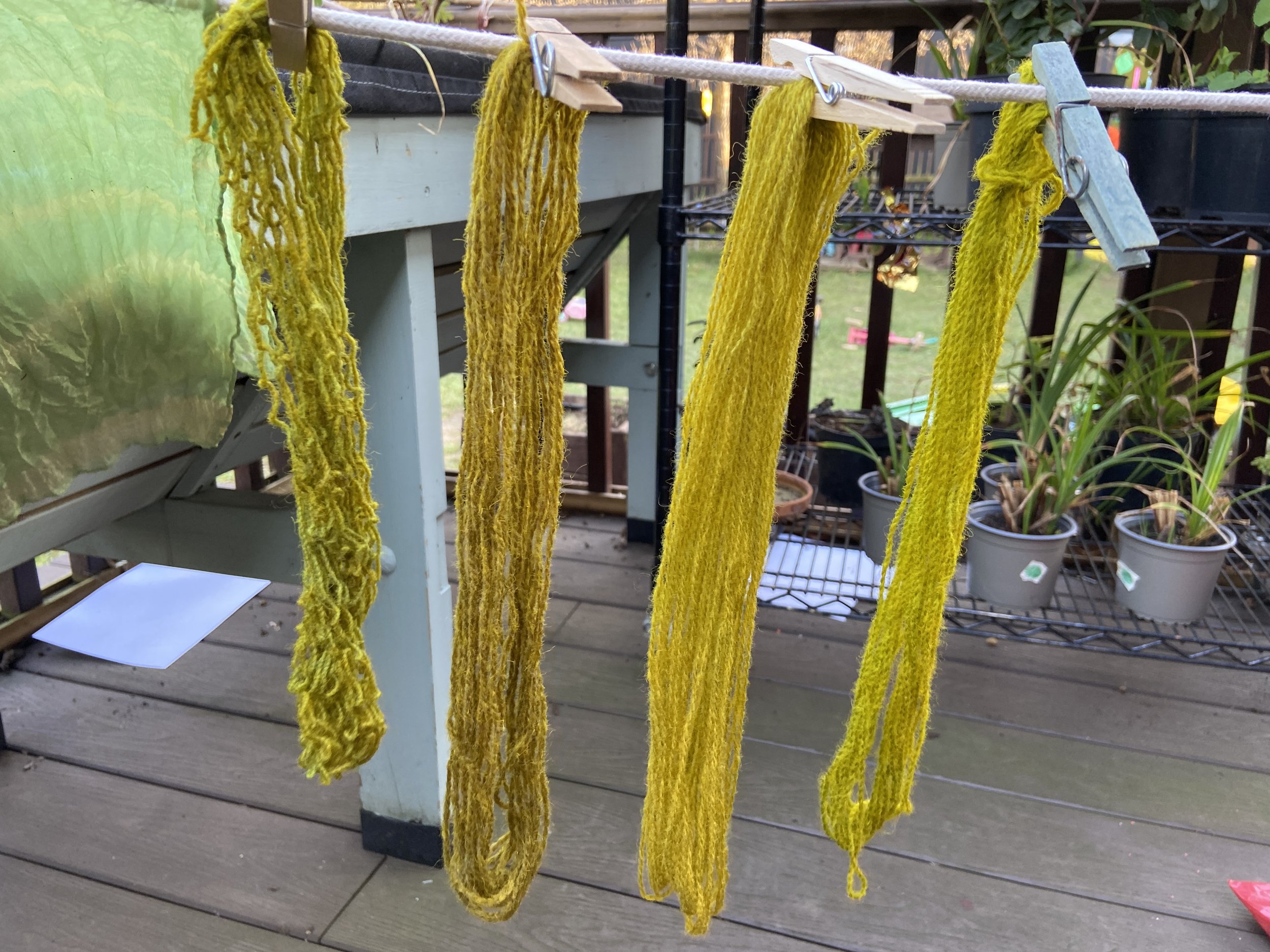 Image 7 of 9
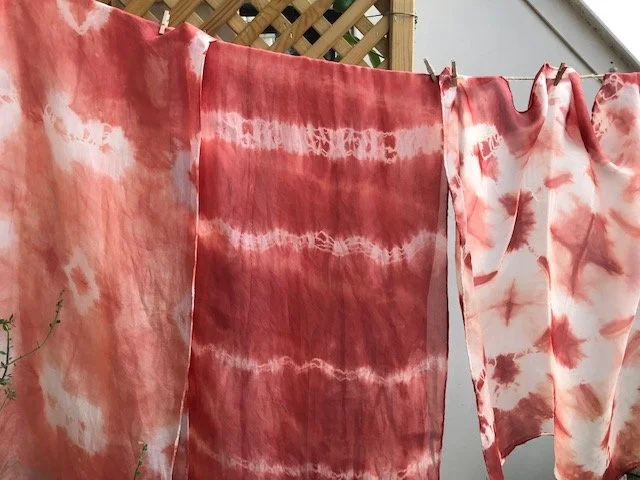 Image 8 of 9
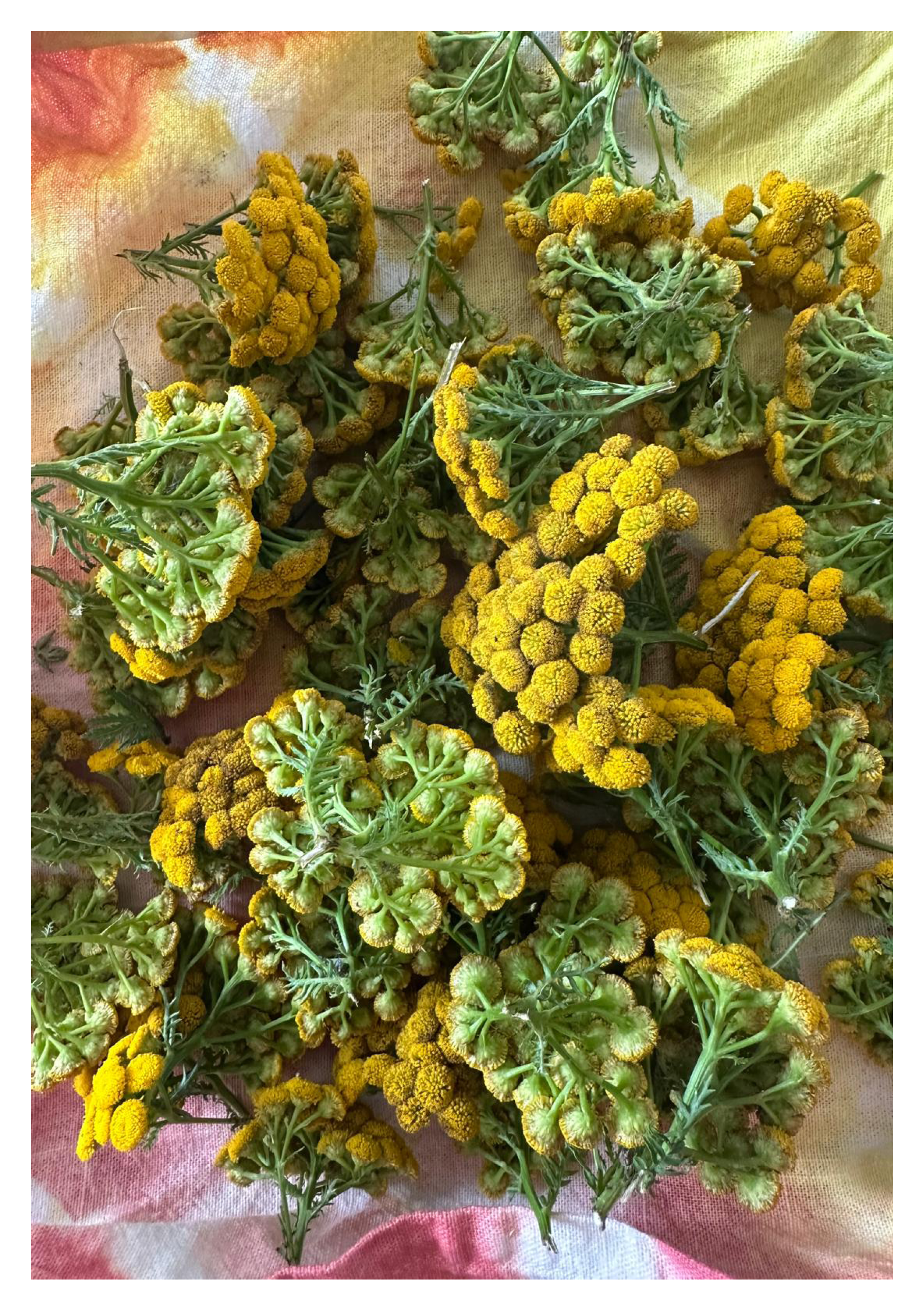 Image 9 of 9